LATEST NEWS
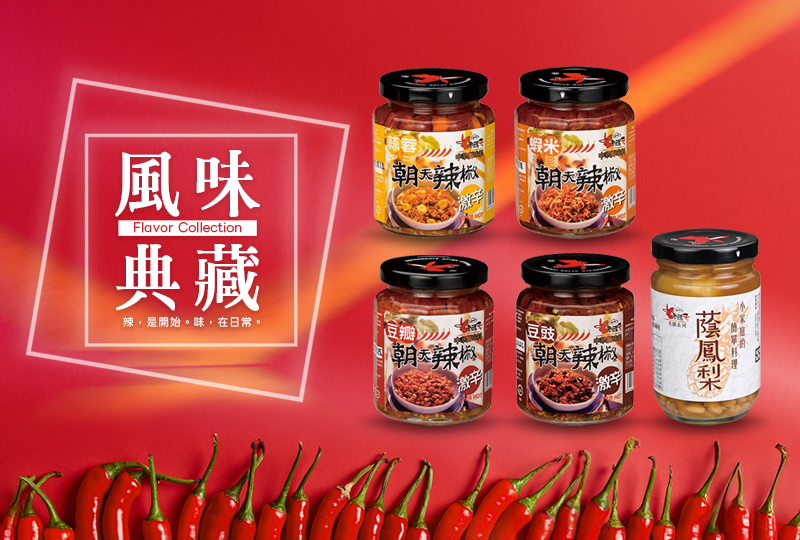
DRY-BRAISED SERIES
The Red Jewel of the Sea—Sakura Shrimp
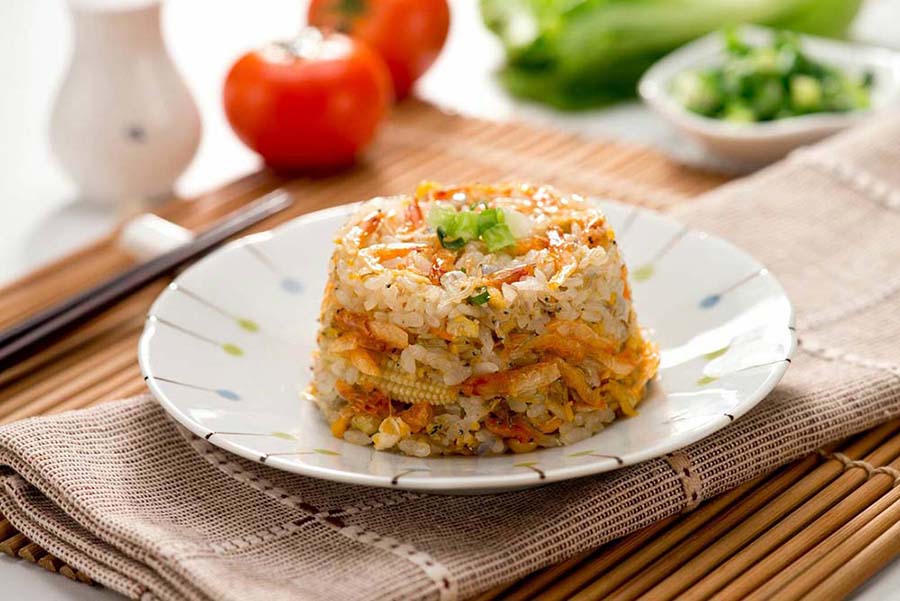
Sakura shrimp are locally known in Taiwan as hua-ke-zai. Their nearly transparent bodies are covered with red pigment and light-producing organs, giving them the appearance of Japanese cherry blossoms when viewed from a distance—hence the name “sakura shrimp.”
Found at depths of approximately 150 to 250 meters, sakura shrimp are a rare and highly prized deep-sea delicacy. Rich in protein, calcium, and phosphorus, they offer a distinctive texture and excellent nutritional value, making them a natural source of nutrition suitable for both growing children and older adults.
Their main harvesting grounds are limited to the coastal waters of Donggang in Pingtung County, Taiwan, and Suruga Bay in Shizuoka Prefecture, Japan. Because supplies are extremely limited, sakura shrimp are especially precious. Highly valued in Japan and widely enjoyed in Taiwan, they are considered a premium seafood ingredient with outstanding nutritional value.
Naturally savory and full of flavor, sakura shrimp are the perfect companion to a wide variety of dishes. They pair especially well with stir-fried cabbage, rice vermicelli, and Taiwanese sticky rice.
The Crystal of the Sea—Small Squid
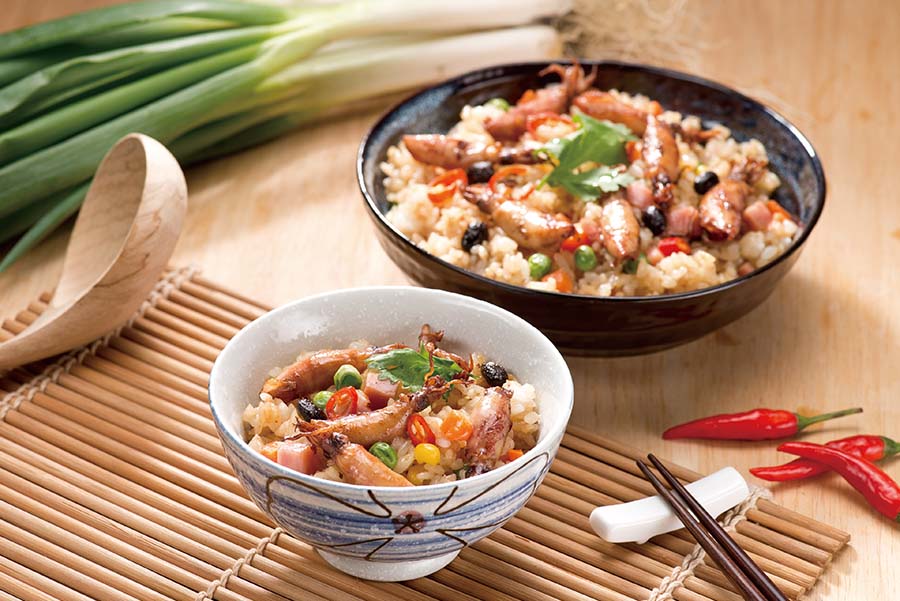
Known in Taiwan as xiao juan, small squid are also called suo guan or xiao guan. When fresh, their bodies are crystal-clear and their eyes appear bright and sparkling. They are commonly found in shallow and nearshore waters.
Small squid are rich in protein and naturally low in fat. They also contain highly unsaturated fatty acids such as EPA and DHA, as well as taurine. With their excellent nutritional profile, small squid are a popular and highly valued seafood ingredient in Taiwan.